
From the Shoot to a Timeless Memory: The True Craft of a Photographer
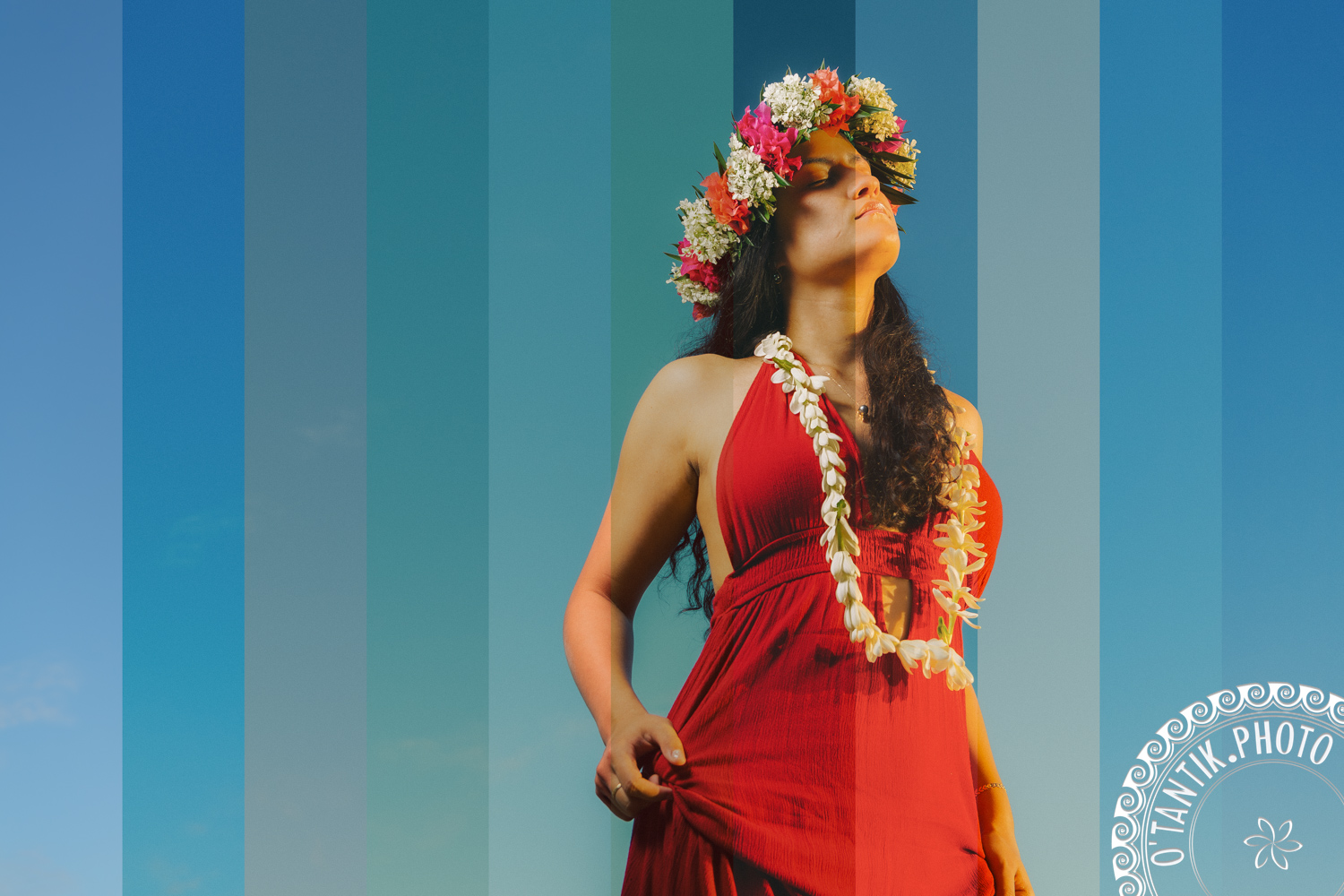
Featured Image: A Palette of Film-Inspired Emotions
The cover image of this article perfectly illustrates this creative freedom. By slicing a single shot into different color grading bands, we reveal the rich variety of possible atmospheres. Just like the iconic film stocks of the past—where every roll of film possessed its own sensitivity, color bias, and unique reaction to light—digital developing allows us to sculpt the final image. From vibrant azure hues to warm, golden tones on the skin, each nuance tells a different story, proving that color grading is never an automatic setting, but a true artistic choice.
We often hear that with modern cameras, all it takes is pointing and clicking to get a great picture. It’s a completely understandable idea: today’s gear is capable of impressive technical feats in a fraction of a second!
But does professional photography really end at the shutter release?
When you choose a photographer, you’re not just renting a high-end camera. You’re hiring a vision, guidance on location, and an artisan’s craft that extends long after the shoot is over. To show you what truly happens behind the scenes, I’d like to share an insider’s look through a series of visual variations.
One Single Shot, Endless Stories: The Art of Creative Developing
Below is a single photo explored through different developing perspectives:
Cinematic & Moody Style: Richer, dramatic colors that create a bold visual impact.
Photo 1 — The RAW Version:This is the image captured directly by the camera sensor, with correct exposure and sharpness. It’s a clean, neutral starting point, but the story is yet to be written.
Photos 2 to 14 — The Palette of Possibilities:Here is how a single frame can convey entirely different emotions depending on artistic interpretation:
Film & Vintage Inspiration: Soft tones, poetic grain, and deep blacks.
Tropical Warmth: Golden tones that enhance the heat of the sun and elevate skin warmth.
Bright & Soft Atmosphere (Fine Art): A pastel finish with gentle, smooth contrast.
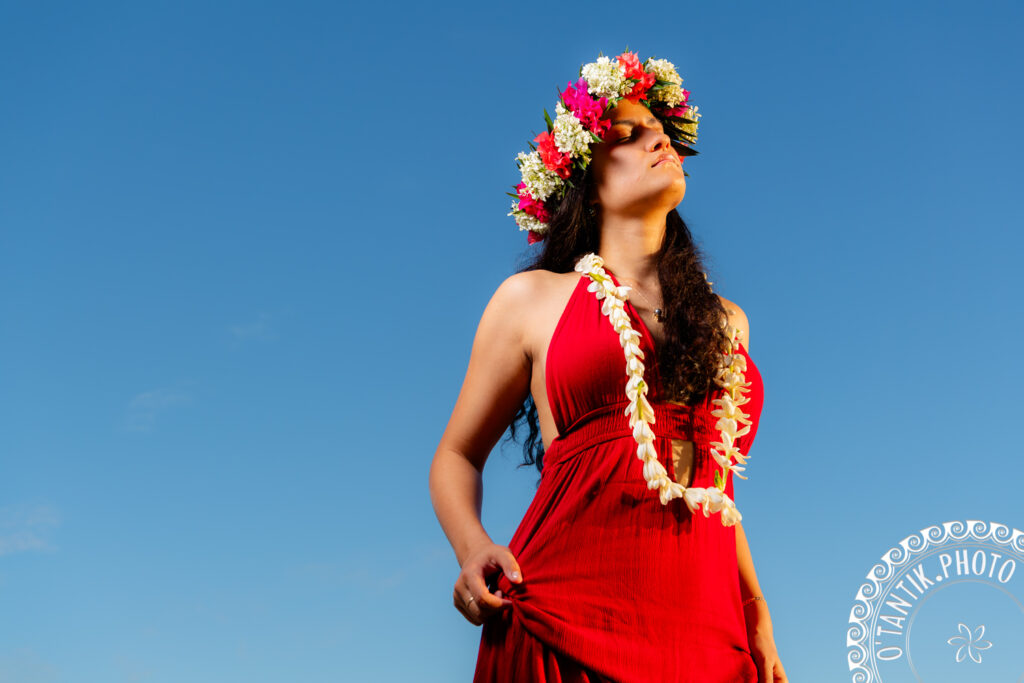
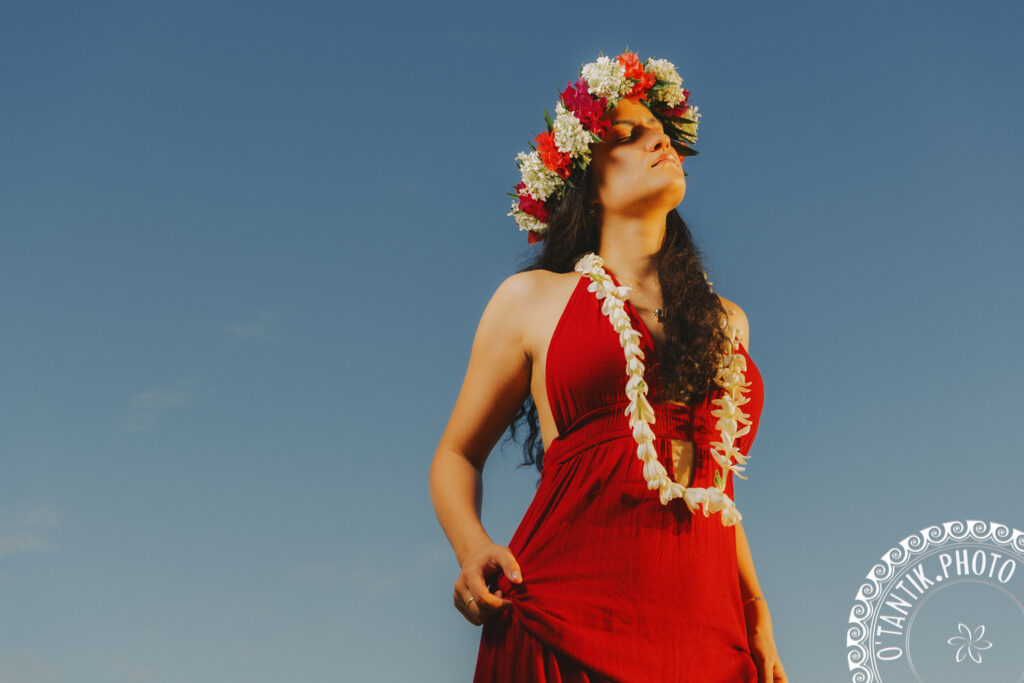
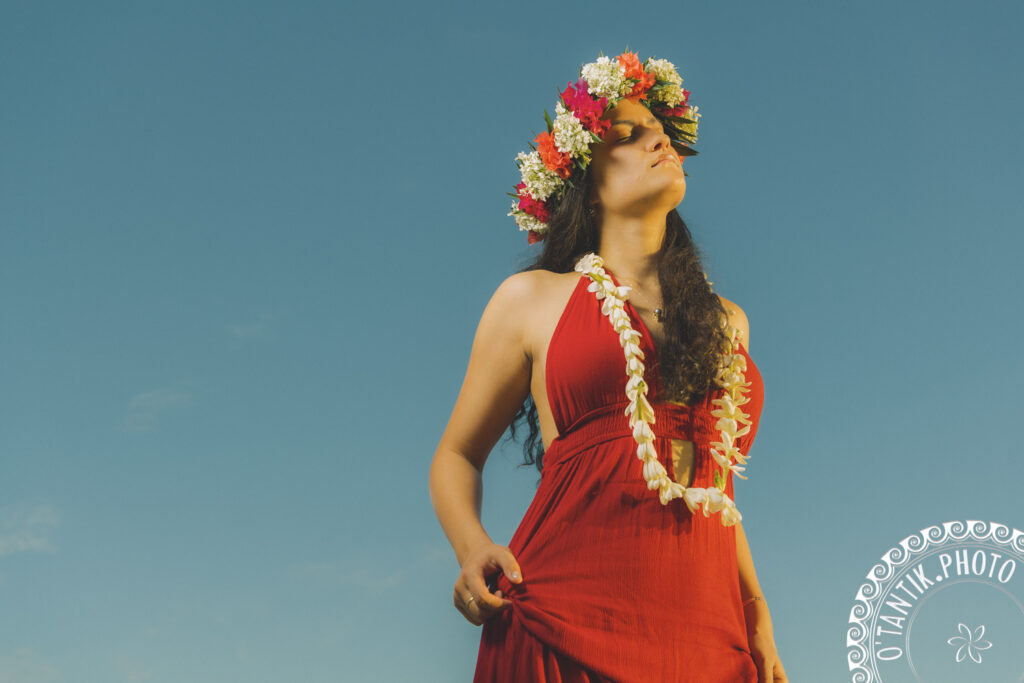
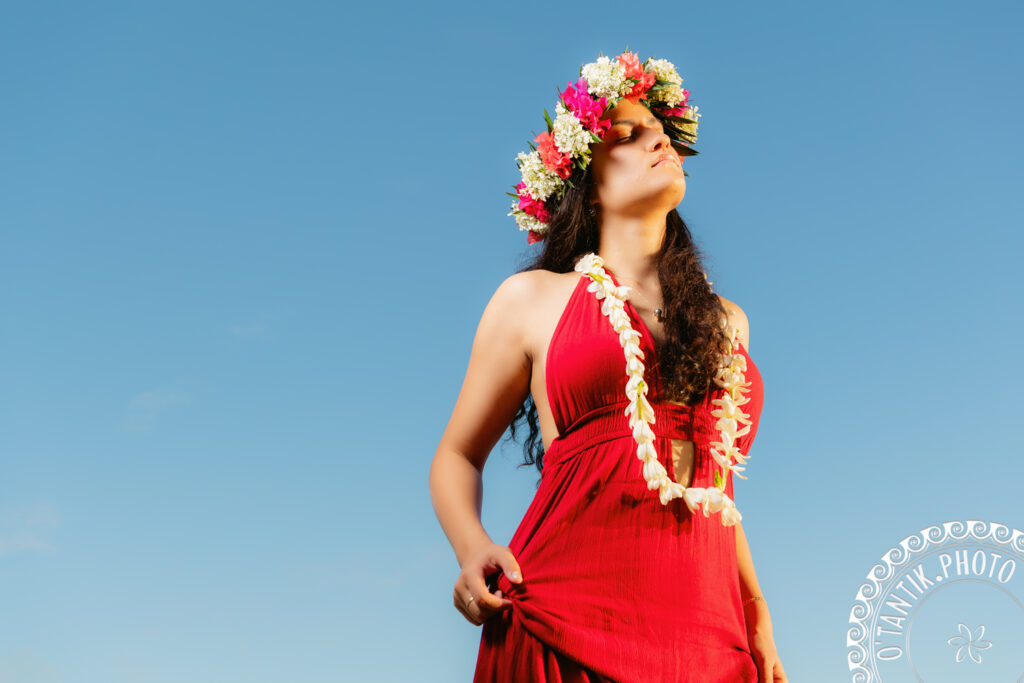
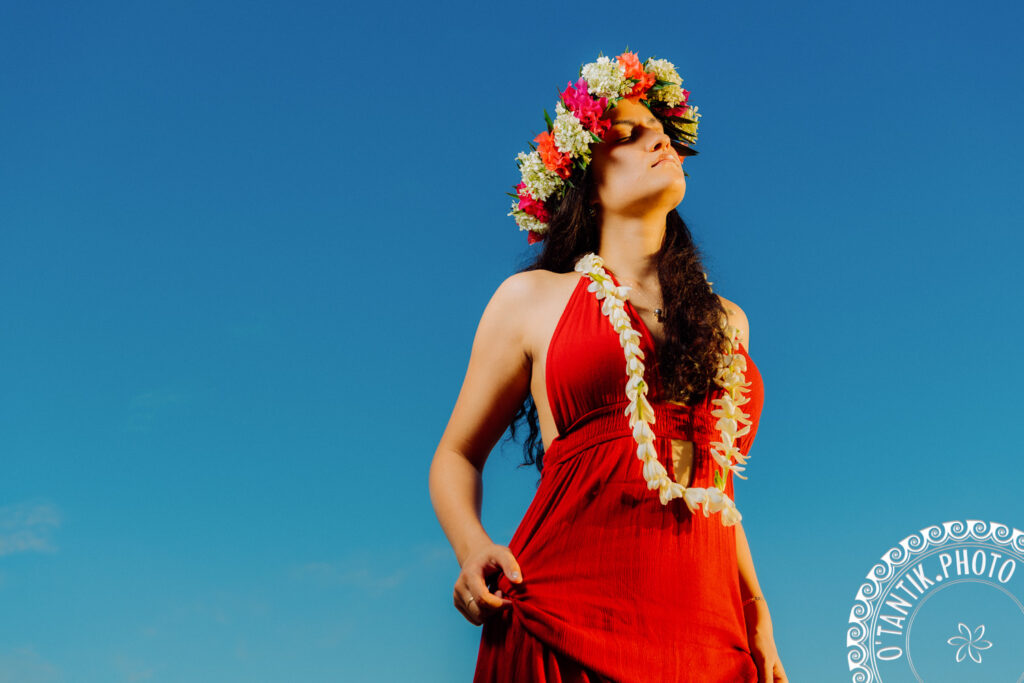
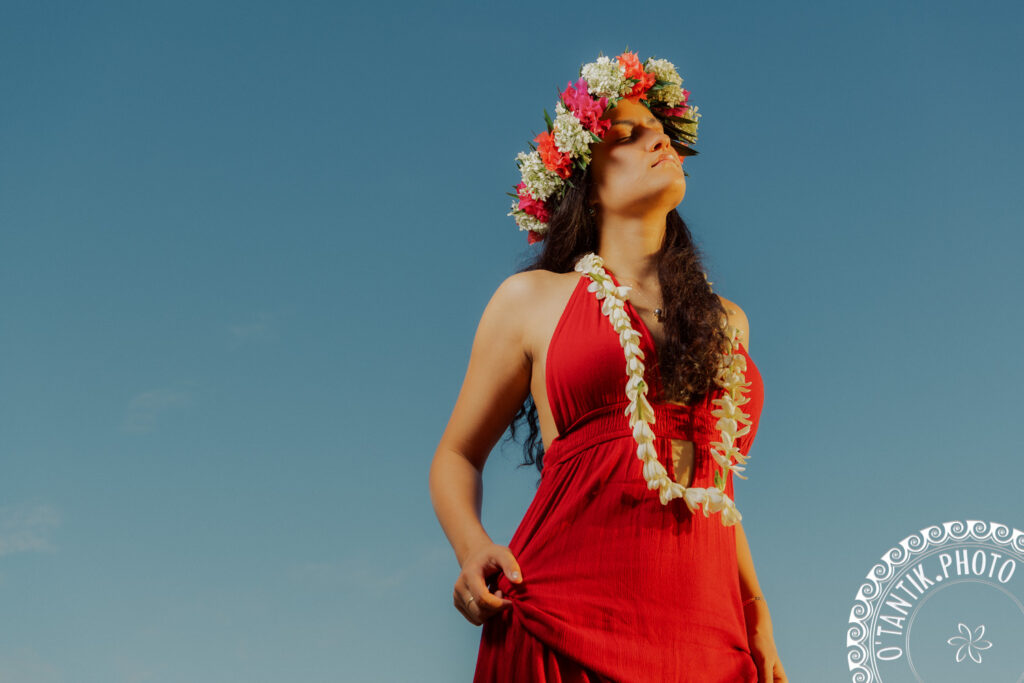
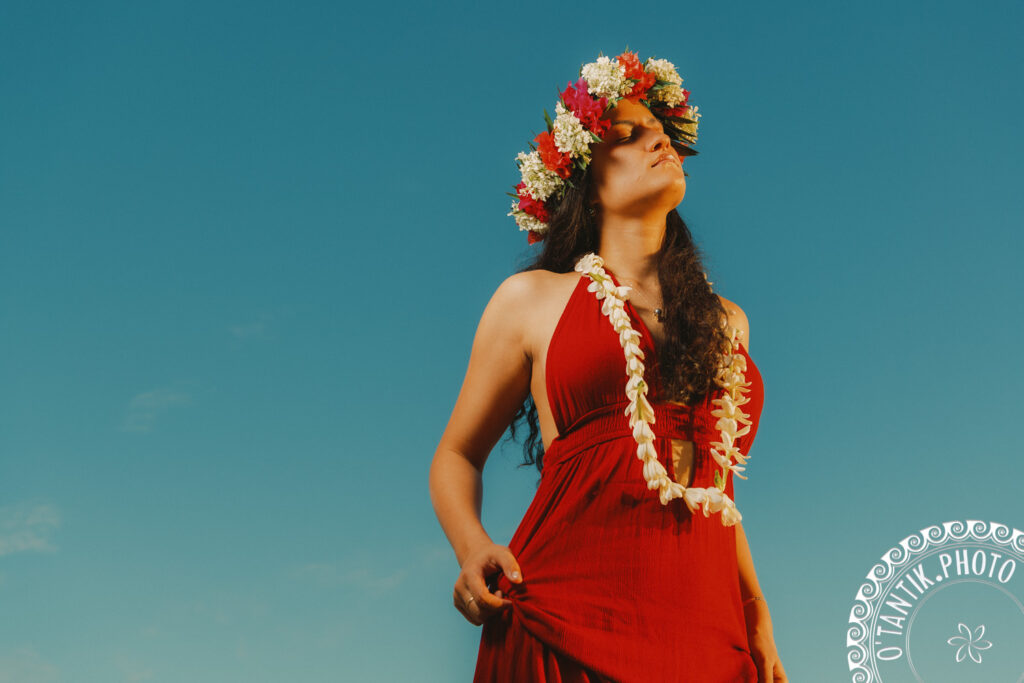
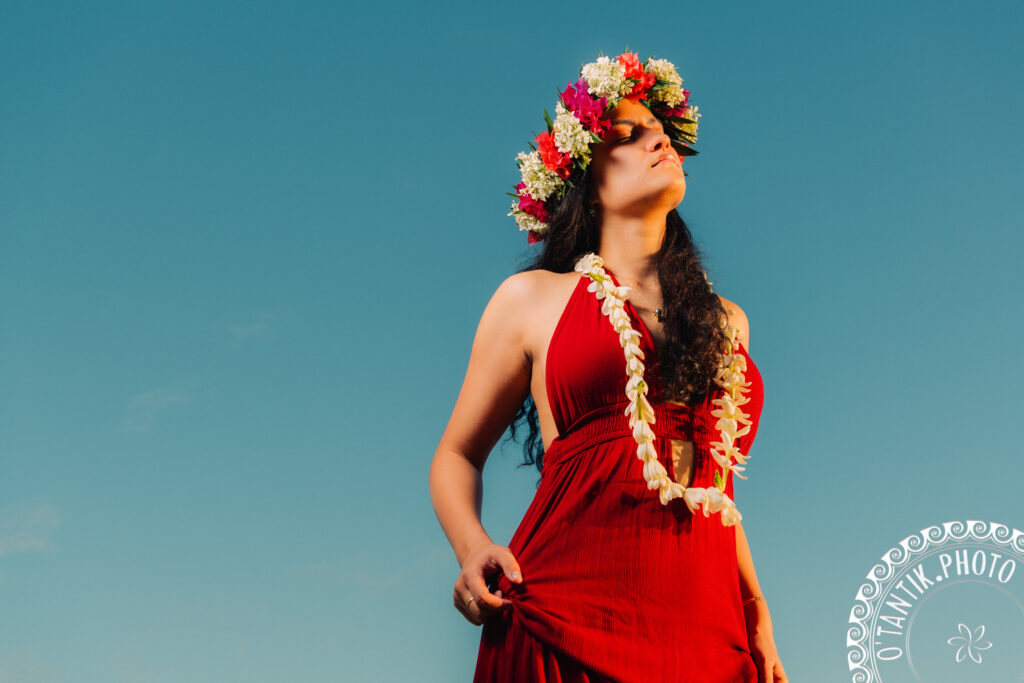
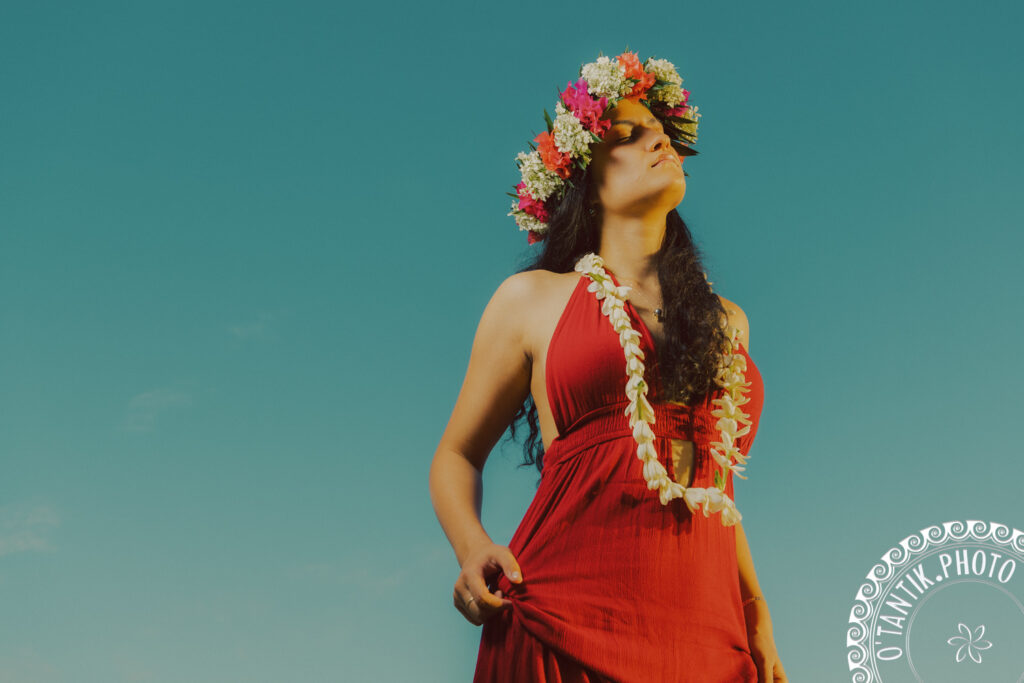
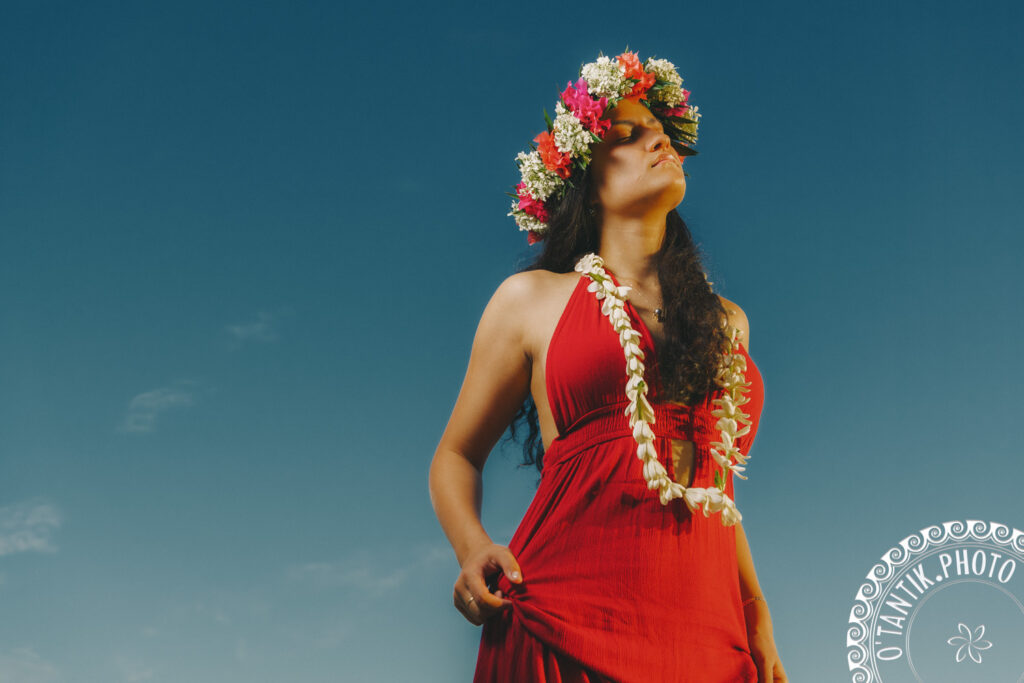
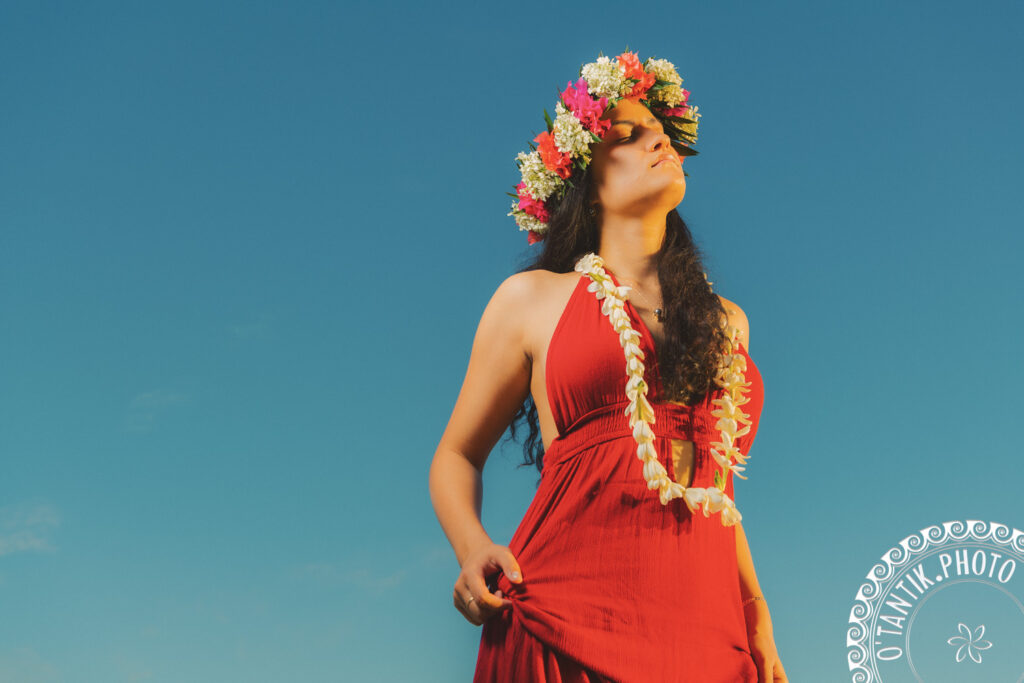
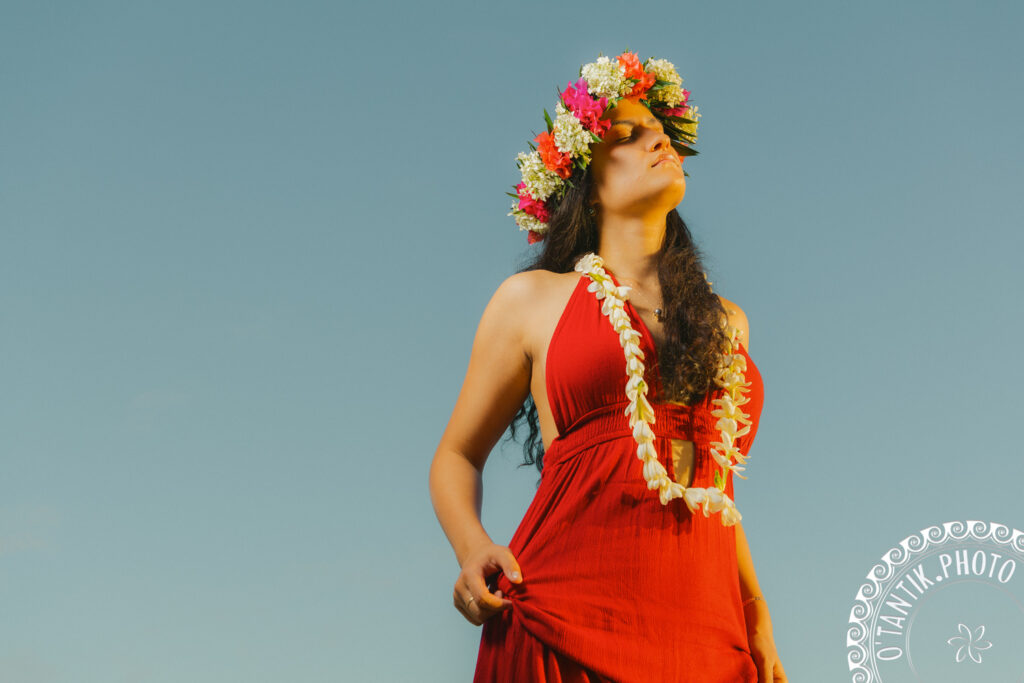
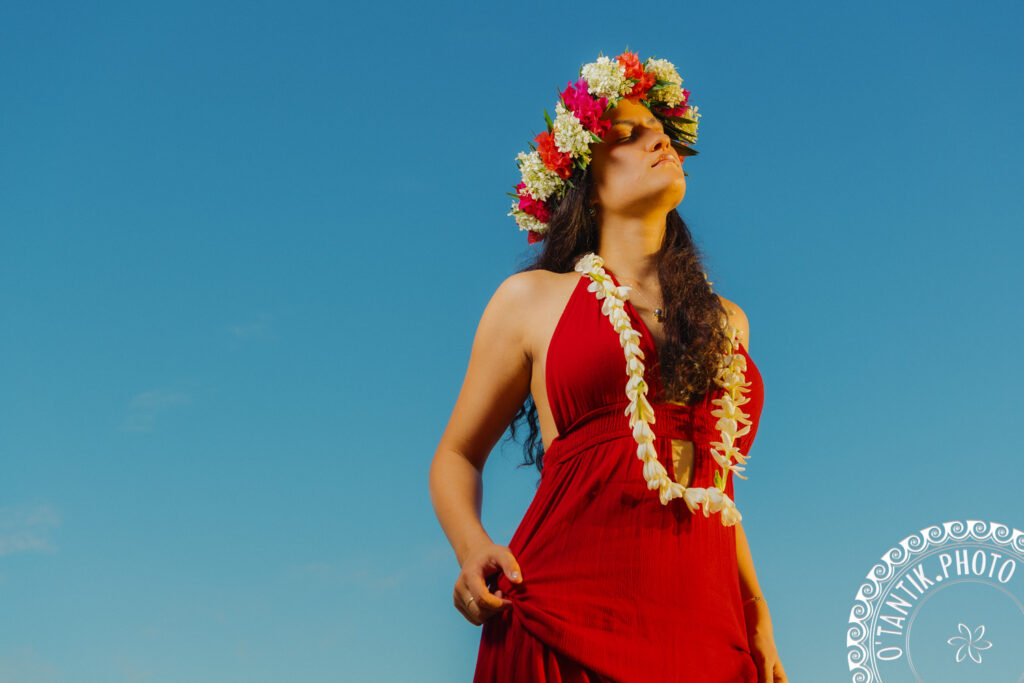
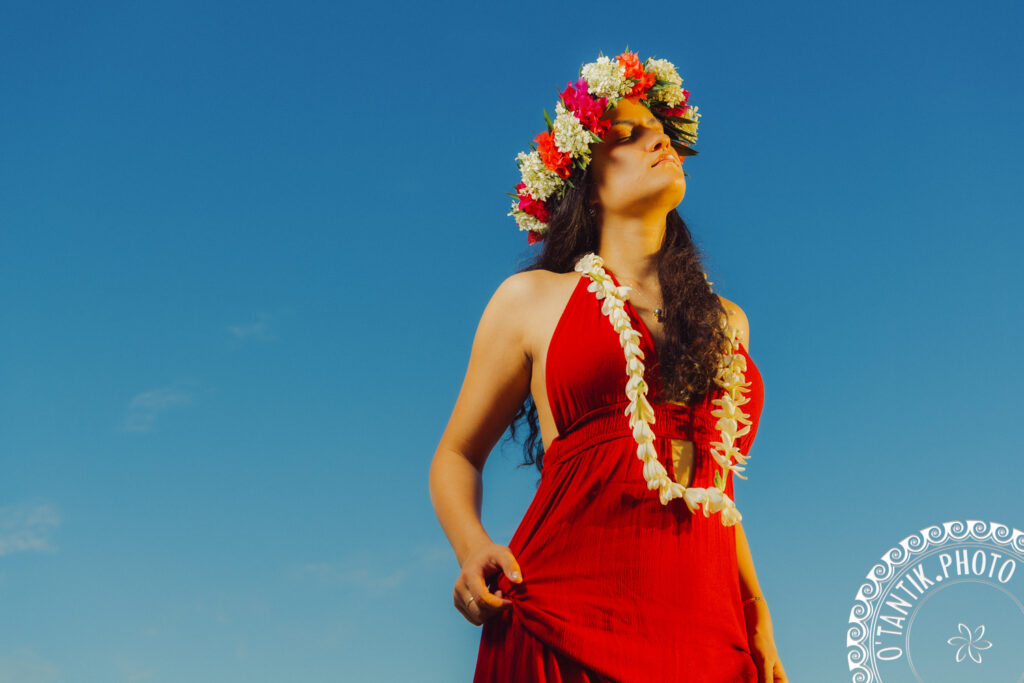
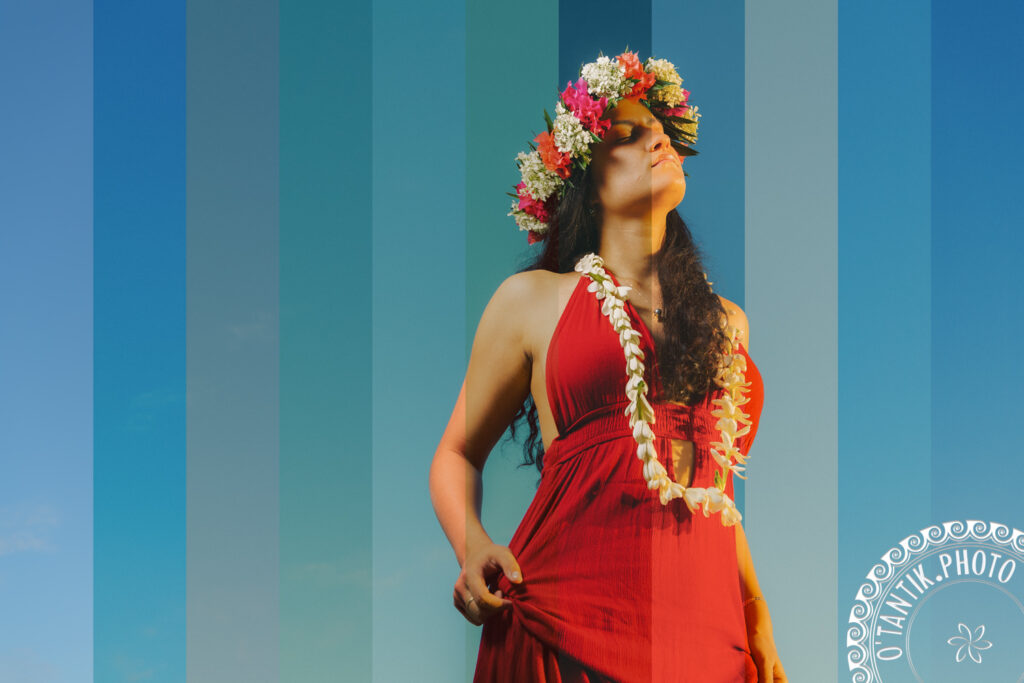
Each variation shows that retouching isn’t a fix meant to “fake” reality, but an artistic expression that aligns the image with the emotion you want to feel.
My Approach: Film Heritage in a Digital World
My editing style and shooting method are far from random. My approach is deeply rooted in analog film photography culture. This visual background, built on patience and observation, forged a unique signature style that I bring to every photoshoot in Bora Bora:
- Organic Colorimetry: My retouching process draws inspiration directly from classic film stocks. I place immense value on soft contrast and rich, deep blacks. Unlike “clinical” digital imagery, my photos feature a tactile texture and a more subtle color palette.
- Respect for Skin Tones: Film heritage is, above all, about capturing authentic skin tones. I ensure your skin retains its natural warmth under the tropical sun, without the harsh color shifts often created by modern sensors.
- An Intentional Approach: Training on film taught me never to “spray and pray.” Every shot is deliberate. I compose with intention, waiting for the precise moment where light and emotion align.
- Timeless Grain: I love infusing my images with a delicate, poetic grain that evokes nostalgic travel photography. The result is a look that never goes out of style, capable of aging gracefully across generations.
- Visual Storytelling: My work goes beyond taking single pictures. I craft a cohesive visual narrative of your experience. Each session is treated as a chapter of your journey, where framing and sequencing flow seamlessly together.
In summary: I leverage modern digital technology to deliver a Fine Art aesthetic inspired by film. You get the flexibility of a contemporary photoshoot combined with the beauty of a stunning image and a timeless memory.
What About Artificial Intelligence ?
Today, AI tools can generate images in seconds or apply automated filters with a click. It’s fast and impressive… but it raises a real question: what is the value of an artisan photographer in an automated world?
The difference lies in what cannot be calculated: human intention, shared experience, and empathy.
- AI applies algorithms and averages: It scans millions of data points to deliver a standardized smoothness or “flawless” finish that often feels cold and impersonal.
- An artisan photographer crafts bespoke art: Every image holds a genuine memory. When I edit a photo one by one, I recall the laughter, the ocean breeze, the exact quality of light, and the connection we shared.
The human eye adjusts skin tones not through a mathematical formula, but according to emotion. Editing a gallery frame-by-frame guarantees storytelling coherence and dedicated care for the details that belong exclusively to you.
AI can imitate a style, but it can never capture your story with the heart, care, and nuance of a human eye.
How to Choose Your Photographer
There is no single “right” style: it’s all about personal aesthetic and human connection. When looking for the ideal photographer to preserve your memories, keep these key points in mind:
Connect with the artist: Personal synergy is essential. Feeling comfortable with your photographer allows you to relax on the day of the shoot, which shines through directly in the final gallery.
Check their ability to meet your expectations: A great artisan listens closely to your vision, understands your desired shots, and adapts their skills to capture what matters most to you.
Look for portfolio consistency: Do you see a clear visual signature across different sessions and locations?
Identify your favorite mood: Among the color variations shown above, which style resonates most with your personality?
Final Thoughts
Choosing a photographer means choosing a perspective and trusting your memories to an artisan who will refine every detail—from your first inquiry to the delivery of your final gallery.
Which color grading variation speaks to you the most? Do you prefer a natural look, warm tropical tones, or a film-inspired aesthetic? Share your thoughts in the comments below!